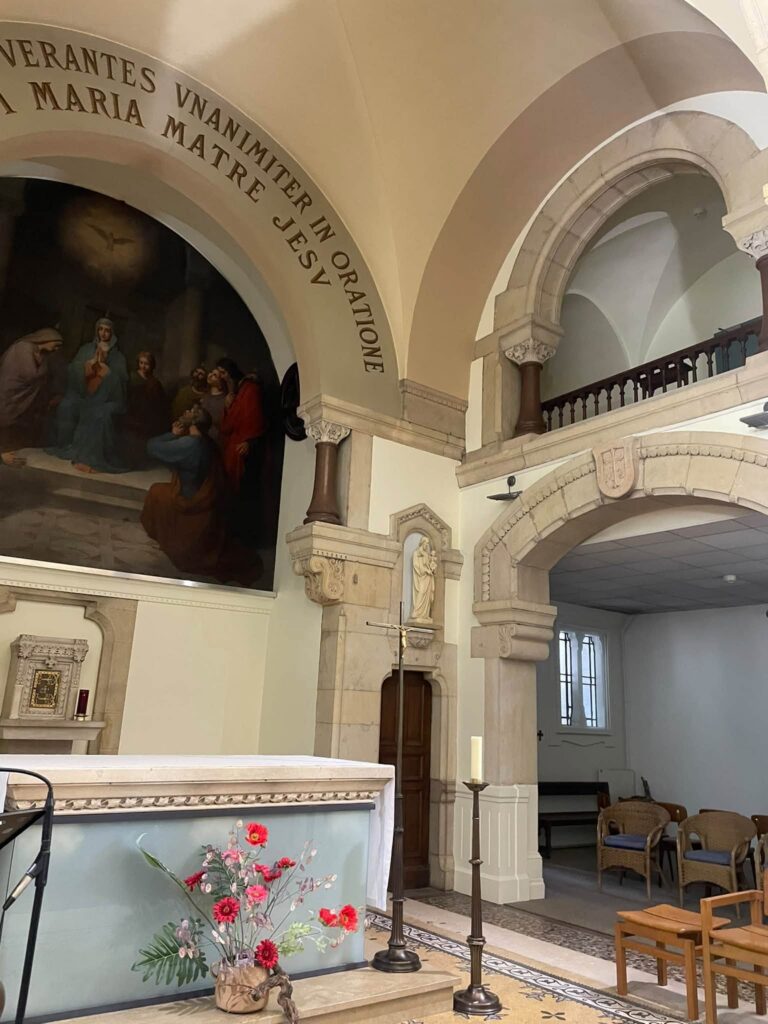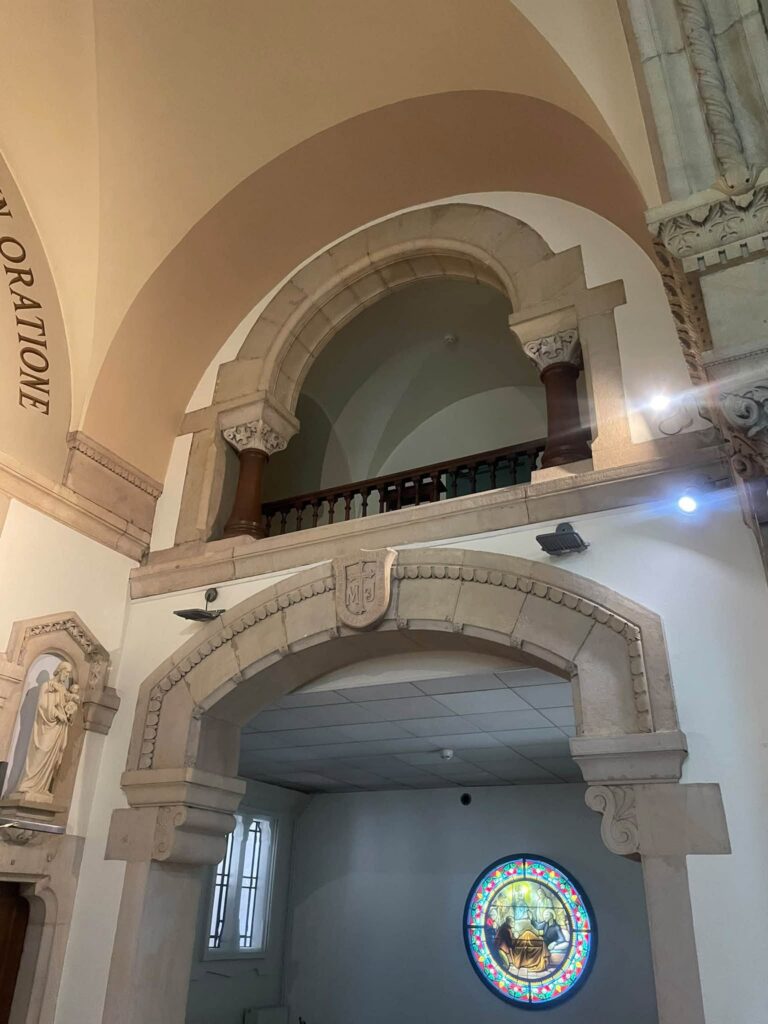
๐’๐š๐ข๐ง๐ญ ๐“๐ก๐ž๐ซ๐ž๐ฌ๐ž ๐š๐ง๐ ๐ญ๐ก๐ž ๐‹๐ข๐ญ๐ญ๐ฅ๐ž ๐“๐ซ๐ข๐›๐ฎ๐ง๐ž: ๐€ ๐๐ฅ๐š๐œ๐ž ๐จ๐Ÿ ๐ƒ๐ž๐ž๐ฉ๐ž๐ซ ๐”๐ง๐ข๐จ๐ง ๐ฐ๐ข๐ญ๐ก ๐‚๐ก๐ซ๐ข๐ฌ๐ญ

๐’๐š๐ข๐ง๐ญ ๐“๐ก๐ž๐ซ๐ž๐ฌ๐ž ๐š๐ง๐ ๐ญ๐ก๐ž ๐‹๐ข๐ญ๐ญ๐ฅ๐ž ๐“๐ซ๐ข๐›๐ฎ๐ง๐ž: ๐€ ๐๐ฅ๐š๐œ๐ž ๐จ๐Ÿ ๐ƒ๐ž๐ž๐ฉ๐ž๐ซ ๐”๐ง๐ข๐จ๐ง ๐ฐ๐ข๐ญ๐ก ๐‚๐ก๐ซ๐ข๐ฌ๐ญ

๐‡๐จ๐ฐ ๐ฆ๐ข๐ ๐ก๐ญ ๐ฆ๐ฒ ๐จ๐ฐ๐ง ๐ž๐ฑ๐ฉ๐ž๐ซ๐ข๐ž๐ง๐œ๐ž๐ฌ ๐จ๐Ÿ ๐ฌ๐ฎ๐Ÿ๐Ÿ๐ž๐ซ๐ข๐ง๐  ๐›๐ž๐œ๐จ๐ฆ๐ž ๐š ๐ฉ๐ฅ๐š๐œ๐ž ๐จ๐Ÿ ๐๐ž๐ž๐ฉ๐ž๐ซ ๐ฎ๐ง๐ข๐จ๐ง ๐ฐ๐ข๐ญ๐ก ๐‰๐ž๐ฌ๐ฎ๐ฌ?

Saint Thรฉrรจse freely consented to be associated with Jesus in His agony. This union with Christ in suffering became the highest point to which she had been led in her life, one increasingly โ€œanimated by the Spirit of Jesus Christ.โ€

“Do not be anxious about my health, I lack nothing. As to the pains and discomforts which I carry about with me everywhere and always, we should only thank the Good God for these, since He orders them so well that I am rarely deprived of hearing Holy Mass; when I am not able to go dowstairs, I hear it from the little tribune.” – letter of Mother Thรฉrรจse to Mother Marie Aimรฉe Lautier, Lyon, 15 November 1884 (a year before her death)
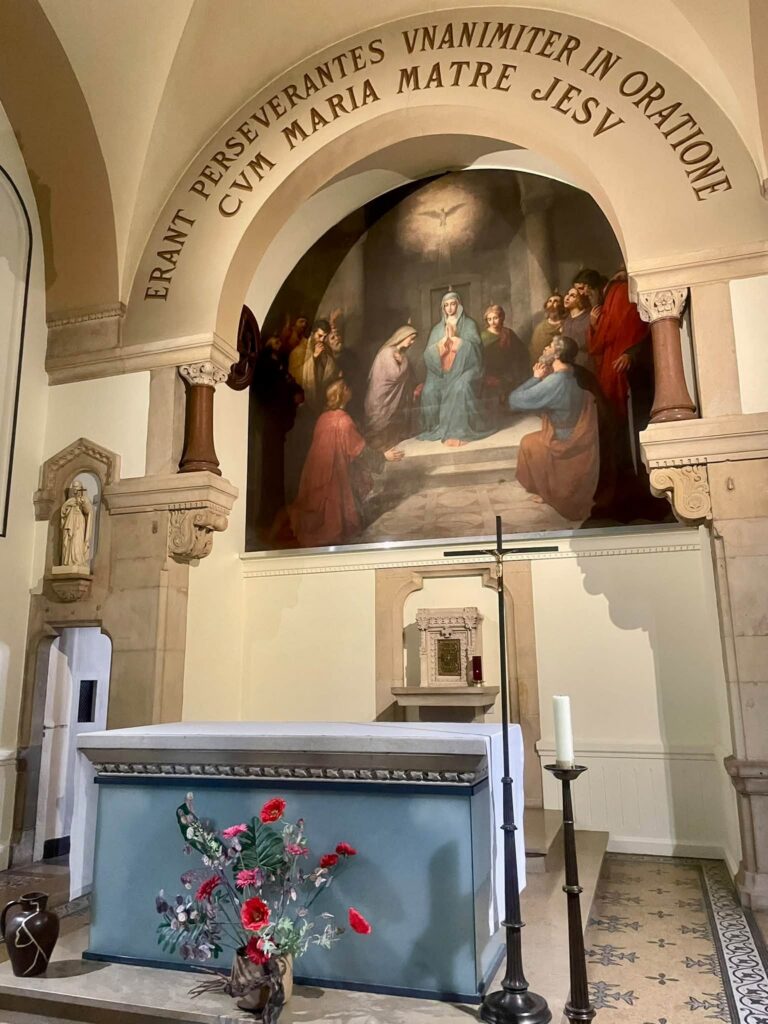
The tribune is regarded as a sacred space where Saint Thรฉrรจse Couderc spent hours praying and experienced deep spiritual trials and mystical moments that led her into a deeper union with Jesus Christ.
Scroll to Top