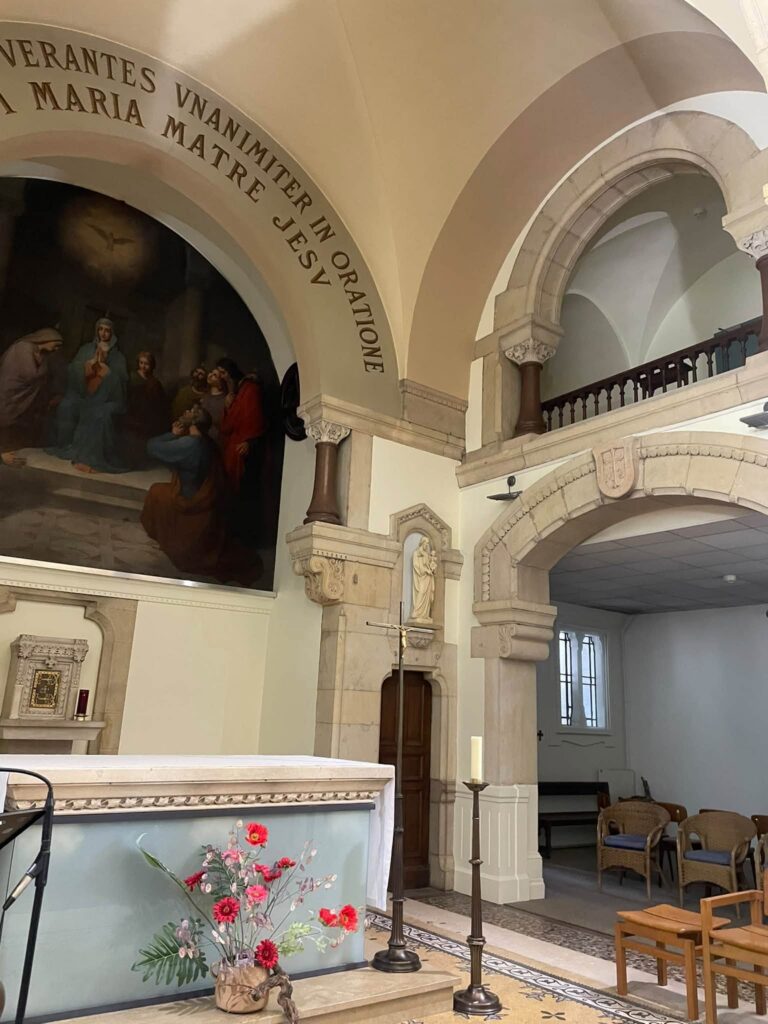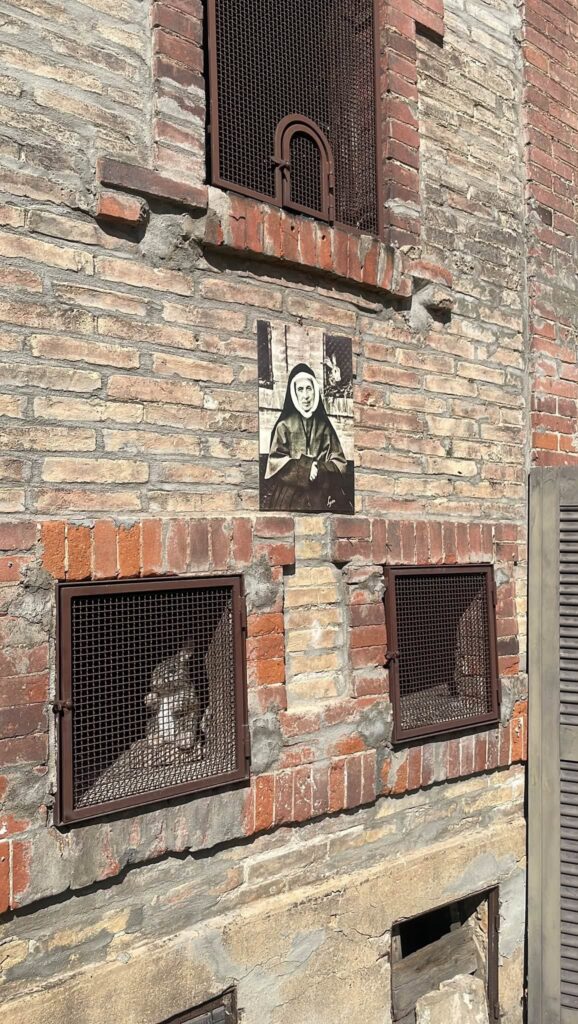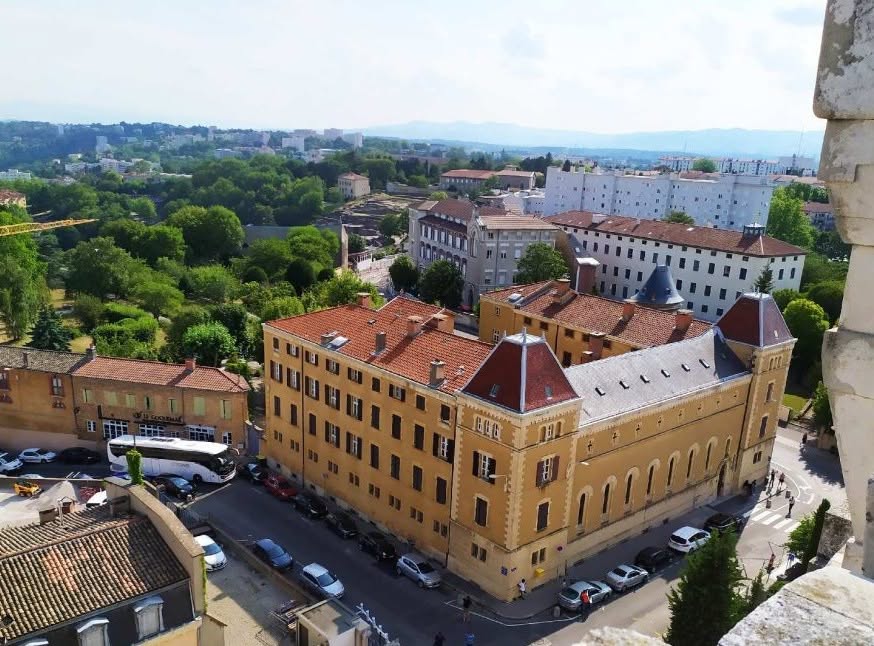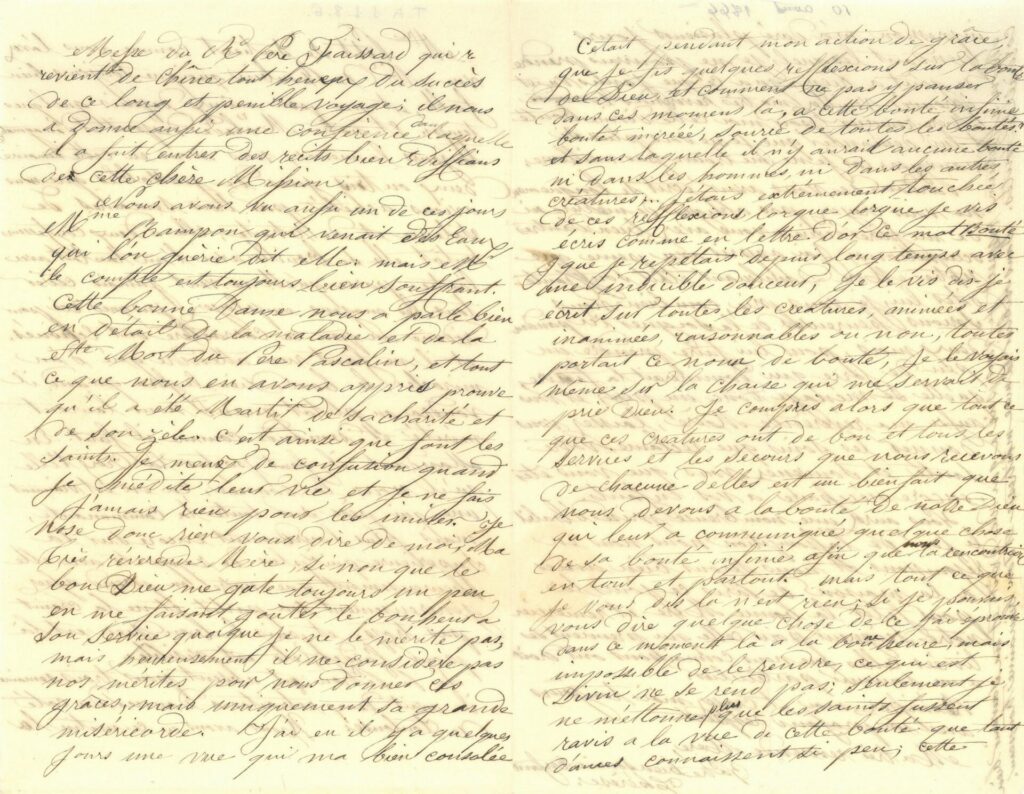
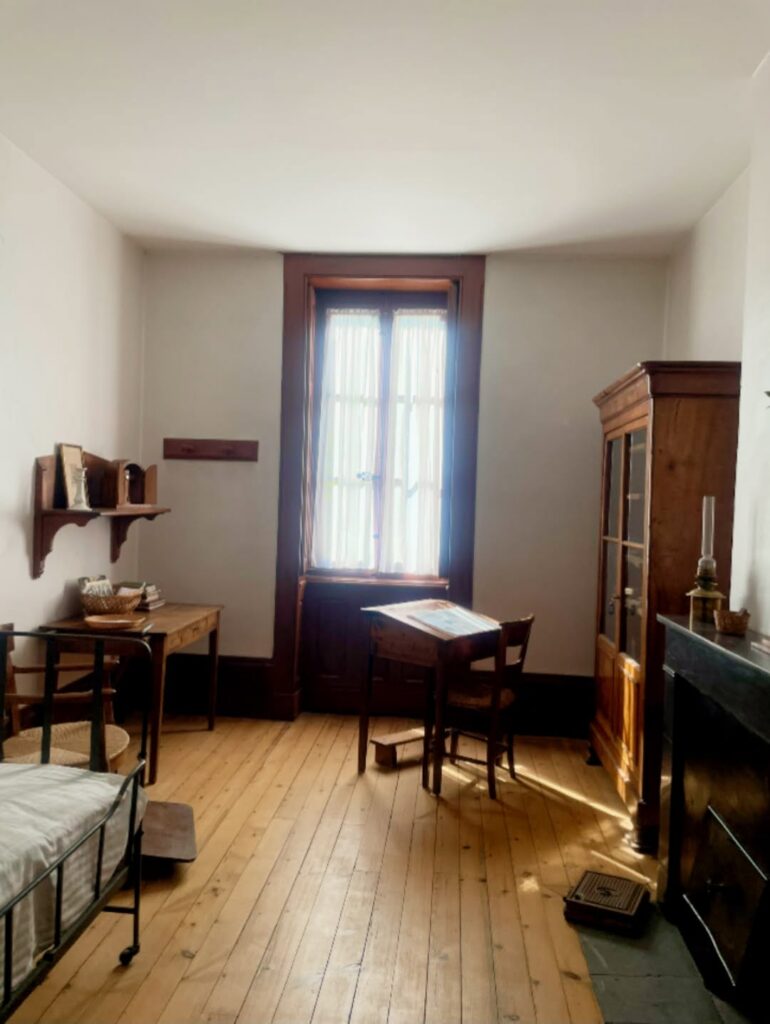
𝐒𝐚𝐢𝐧𝐭 𝐓𝐡𝐞𝐫𝐞𝐬𝐞’𝐬 𝐫𝐨𝐨𝐦 𝐢𝐧 𝐋𝐲𝐨𝐧 𝐰𝐡𝐞𝐫𝐞 𝐬𝐡𝐞 𝐝𝐢𝐞𝐝 𝐨𝐧 𝟐𝟔 𝐒𝐞𝐩𝐭𝐞𝐦𝐛𝐞𝐫 𝟏𝟖𝟖𝟓
𝐒𝐚𝐢𝐧𝐭 𝐓𝐡𝐞𝐫𝐞𝐬𝐞’𝐬 𝐫𝐨𝐨𝐦 𝐢𝐧 𝐋𝐲𝐨𝐧 𝐰𝐡𝐞𝐫𝐞 𝐬𝐡𝐞 𝐝𝐢𝐞𝐝 𝐨𝐧 𝟐𝟔 𝐒𝐞𝐩𝐭𝐞𝐦𝐛𝐞𝐫 𝟏𝟖𝟖𝟓 𝐖𝐡𝐚𝐭 𝐚𝐦 𝐈 𝐥𝐢𝐯𝐢𝐧𝐠 𝐟𝐨𝐫? 𝐖𝐡𝐚𝐭 𝐝𝐨 𝐈 𝐥𝐨𝐯𝐞 𝐝𝐞𝐞𝐩𝐥𝐲 𝐞𝐧𝐨𝐮𝐠𝐡 𝐭𝐨 𝐠𝐢𝐯𝐞 𝐦𝐲 𝐰𝐡𝐨𝐥𝐞 𝐥𝐢𝐟𝐞 𝐟𝐨𝐫 𝐞𝐯𝐞𝐧 𝐮𝐧𝐭𝐨 𝐝𝐞𝐚𝐭𝐡? Little by little, infirmities stemming from old age assail her: she becomes deaf, walks with difficulty, and suffers from rheumatism. Nevertheless, one prayer accompanies her always: “May I live for love of you, may I die for love of you, let my last heartbeat be an act of perfect love. “Has Therese Couderc left a message? She makes no claim to have done so. She does not even seek to repeat the great evangelical lessons of the seed which must die to bear fruit, the vine which must allow itself to be pruned in order to yield more. She does not have to repeat them; she has lived them with a rare intensity and a marvelous happiness!” – (Therese Couderc: Woman and Saint by Paule de Lassus, rc)