Features

Features, News & Announcements, Updates, Updates and Activities

ā€œHealed, Loved and Sent: Finding Peace in the Midst of Chaosā€

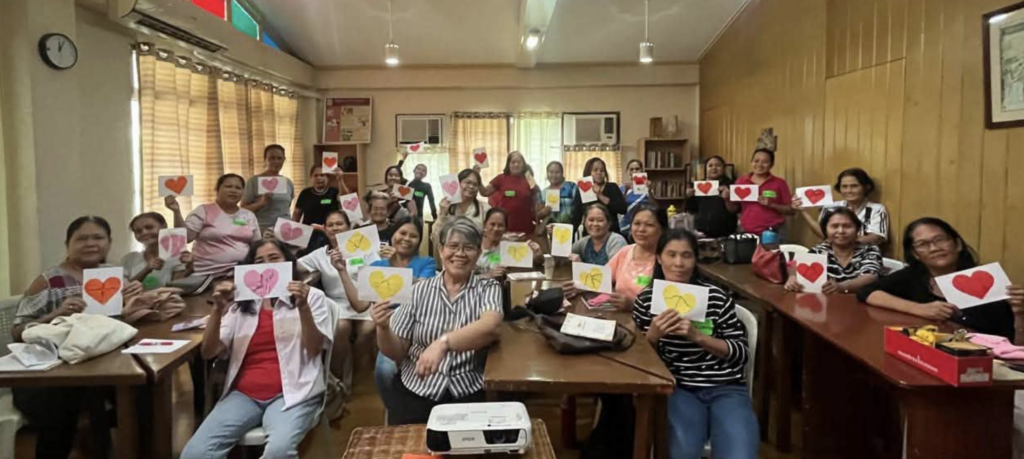
ā€œHealed, Loved and Sent: Finding Peace in the Midst of Chaosā€ Sr Perry Inso, rc gave two separate formation sessions for 1) Child Dev’t Workers & free kitchen volunteers and 2) Mekong Fathers EDM Inayawan Project) last October 24 and October 25, respectively. (with permission to post from the participants) Mekong Fathers with SR. Perry, rc Please support the Cenacle outreach spiritual ministries. Find out more: https://www.cenaclephilsing.org/support-our-mission/

Features, Homilies, Homily, Soul Food

The God We See Is The God We Reflect

The God We See Is The God We Reflect Gospel: Matthew 25:14–30Homily delivered by Fr. Bong Dahunan, SJAnticipated Sunday Mass at The Cenacle | 14 November 2026 My dear brothers and sisters, Let me begin with a simple story. Imagine a little boy who is afraid of his father. Whenever he makes a mistake, his father gets angry. Whenever he gets a low grade, he gets scolded. One day, while playing, the boy accidentally breaks something valuable at home. What does he do? He hides it. He is afraid to tell his father because he knows he will be punished. Now, imagine another boy whose father also corrects him when he makes mistakes. But he also listens, understands, and makes his son feel loved. One day, this boy also breaks something valuable. But instead of hiding it, he goes to his father and says, ā€œPapa, I’m sorry. I made a mistake.ā€ Why? Because he knows that even if his father gets disappointed, he will not stop loving him. You see, when we know that we are loved, we become less afraid. We become more honest. We learn to trust. We are not afraid to admit our mistakes and begin again. And this is also true in our relationship with God. The way we see God affects the way we relate to Him and the way we live our lives. In today’s Gospel, Jesus tells us the parable of the talents. A master entrusted his possessions to three servants before leaving on a journey. He gave five talents to one, two to another, and one to the third, according to their abilities. The first two servants put their talents to good use. But the third buried his. When the master returned, the third servant explained: ā€œMaster, I knew you were a demanding person…ā€He was afraid of his master. He was afraid of making a mistake. And so, he did nothing. Notice something important. His problem was not simply that he buried his talent. It was also the way he saw his master. He saw him as someone harsh, someone difficult to please, someone to be afraid of. And because of that fear, he failed to make his gift fruitful. My dear friends, sometimes, this is also how we see God. We think God is always disappointed with us. We feel that we are never good enough. When we sin, we hide from Him. When we fail, we feel unworthy of His love. But look at Jesus. He welcomed sinners. He forgave those who had fallen.Ā  He reached out to the sick, the poor, and the forgotten. Remember Peter, who denied Him three times. Jesus did not abandon him. He gave him another chance. Remember the prodigal son. His father did not wait to punish him. He ran to embrace him. This is the God Jesus reveals to us. A God who corrects us but never stops loving us. A God who forgives us and gives us another chance. A God who trusts us and entrusts us with gifts and responsibilities. God does not ask us to earn His love. He loves us first. And because we are loved, He invites us to live generously. That is the difference between serving God out of fear and serving Him out of love. The first two servants trusted their master. They did not bury what they had received. They put their gifts to work. And this is what God wants from us: not a perfect life, but a faithful one; not a life controlled by fear, but a life made fruitful by love. My dear brothers and sisters, Think of the people who have made a difference in your life. Someone who was patient with you when you were difficult to understand. Someone who forgave you when you made a mistake. Someone who listened when you needed someone to talk to. Someone who stayed when you were going through a difficult time. Perhaps that person never knew how much his or her kindness meant to you. But you remember. Sometimes, one person’s kindness gives us the strength to carry on. One person’s forgiveness helps us begin again. One person’s presence reminds us that we are not alone. Through these people, we experience something of God’s love. And now, God invites us to do the same for others. This is where the talents in today’s Gospel become real. Our talents are not only our skills and abilities. They include our time, our resources, our relationships, our responsibilities, and the people God has entrusted to our care. What matters is not simply how much we have received, but what we do with what we have received. We make these gifts fruitful when we listen, understand, forgive, and reach out to those who need us. When we become patient with difficult people. When we make time for those who feel neglected. When we show kindness even when it is not easy. These may seem like small things. But sometimes, they are exactly what another person needs to feel loved. And let us remember this: We can spend our whole lives doing good things and still forget to be good to the people around us. We can be successful in our work. We can fulfill our responsibilities. We can be active in the Church. But if the people closest to us feel neglected, unheard, and unloved, perhaps we need to ask ourselves what we have done with the gifts God has given us. At the end of our lives, what will matter? Perhaps not the positions we held, the money we earned, or the recognition we received. What will matter is how we loved. Whom we helped. Whom we forgave. Whose lives became a little lighter because we were there. Because, in the end, the greatest fruit of the gifts God has given us is love. We receive God’s love, and we share that love. We receive His mercy, and we become merciful. We experience His patience,

Features, Homilies, Homily, Soul Food

What is the Greatest Commandment?

What is the Greatest Commandment? Thirtieth Sunday in Ordinary Time Year A (Matthew 22:34–40) Homily delivered by Fr. Gilbert “Nono” Levosada, SJAnticipated Sunday Mass, 24 October 2026Cenacle Cebu Spirituality Center My dear friends, St. Augustine once said, ā€œLove, and do what you like.ā€ Notice that he did not simply say, ā€œDo what you like.ā€ He said, ā€œLove, and do what you like.ā€ Love changes everything. When our hearts are filled with genuine love, our actions begin to reflect that love. In today’s Gospel, Jesus gives us the very heart of the Christian life. When asked which commandment is the greatest, he answers with two commandments: ā€œYou shall love the Lord your God with all your heart, with all your soul, and with all your mind.ā€ And the second is like it: ā€œYou shall love your neighbor as yourself.ā€ Jesus brings together two commandments that we might be tempted to separate: loving God and loving our neighbor. First, we cannot love God without loving our neighbor. The Pharisees were familiar with hundreds of commandments. They knew the importance of prayer, worship, and religious observance. But Jesus reminds them that the whole law can be summed up in love of God and love of neighbor. Why does Jesus connect the two? Because our love for God must become visible in the way we treat other people. In the First Reading, God reminds the Israelites to care for strangers, widows, orphans, and the poor. Their cries must not be ignored. Religious observance is not enough if we remain indifferent to those who suffer. Jesus makes this even clearer when he says in Matthew’s Gospel: ā€œWhatever you did for one of the least of these brothers and sisters of mine, you did for me.ā€ When we feed the hungry, accompany the lonely, care for the sick, defend the vulnerable, and reach out to those who are excluded, we are not simply doing good deeds. We are loving Christ himself, present in our brothers and sisters. And this love is not limited to people who are kind to us, who share our opinions, or who can do something for us. Christian love also reaches out to those who are difficult to love. That is why love of God and love of neighbor cannot be separated. We cannot claim to love God while closing our hearts to the people whom God loves. Second, to love others, we must learn to accept ourselves as people who are loved by God. Jesus says, ā€œLove your neighbor as yourself.ā€ At first, this sounds easy. After all, do we not naturally care about ourselves? We worry about our needs, our appearance, our reputation, and our future. Yet many people secretly struggle with feelings of inadequacy. They compare themselves with others, seek approval, and try to prove their worth through possessions, achievements, or social status. Sometimes, beneath all these efforts is a simple fear: Am I good enough? Am I worthy of being loved? When we do not accept ourselves, we can become overly concerned about what others think of us. We may spend so much energy protecting our image that we have little time or freedom to attend to the needs of others. But genuine self-love is not selfishness. It means recognizing ourselves as we truly are, with our strengths and weaknesses, and trusting that we are loved by God. We do not have to earn God’s love by being perfect. God loves us first. His love is a gift. When we begin to accept that love, we become more secure and more generous. We no longer need to use others to prove our worth. Instead, we become freer to listen, forgive, serve, and care. To love our neighbor as ourselves, then, is to recognize that our neighbor, too, is a person loved by God, with the same dignity and worth that we ourselves possess. Finally, our love for God grows as we experience and share his love. Sometimes, it is easy to say, ā€œI love you, God,ā€ but difficult to know what that love really means. If God remains merely an abstract idea—the Creator of the universe or the giver of commandments—it can be difficult to love him with our whole heart. But God does not remain distant from us. Very often, we experience his love through the people who care for us: our parents, friends, teachers, companions, and those who stand beside us in difficult moments. Through their kindness, patience, forgiveness, and generosity, we catch a glimpse of God’s love. And when we extend that same love to others, we become instruments of God’s presence in their lives. In the end, these three loves—love of God, love of neighbor, and love of self—are inseparable. They belong together because they all find their source in God, who is love. My dear friends, perhaps the question we should ask ourselves today is not simply, ā€œDo I love God?ā€ It is also: ā€œCan the people around me experience God’s love through me?ā€ Can my family experience it through my patience? Can my colleagues experience it through my fairness and respect? Can the poor and the excluded experience it through my compassion? Can those who have hurt me experience it through my willingness to forgive? We do not always need grand gestures to love. Sometimes love begins with listening, offering a word of encouragement, forgiving an offense, visiting someone who is lonely, or noticing a person whom everyone else ignores. These ordinary acts become extraordinary when they flow from the love of God. So let us return to the words of St. Augustine: ā€œLove, and do what you like.ā€ When we truly love God, when we learn to accept ourselves as his beloved children, and when we recognize his presence in our neighbors, love becomes more than a commandment. It becomes a way of life. May the Lord give us the grace not only to speak of his love, but to experience it deeply and share it generously with everyone we

Features, Soul Food

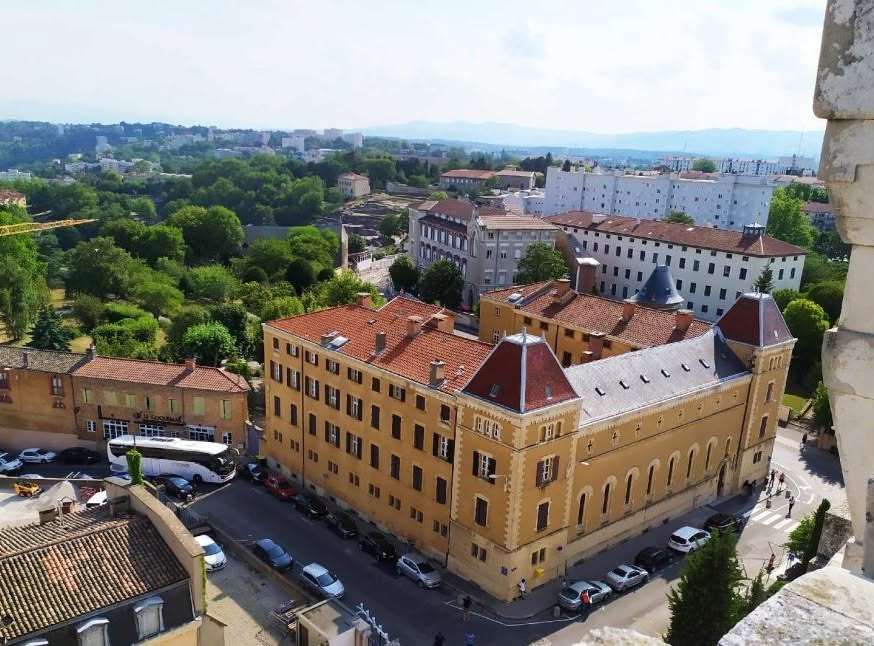
š’ššš¢š§š­ š“š”šžš«šžš¬šž’š¬ š«šØšØš¦ š¢š§ š‹š²šØš§ š°š”šžš«šž š¬š”šž šš¢šžš šØš§ šŸšŸ” š’šžš©š­šžš¦š›šžš« šŸšŸ–šŸ–šŸ“

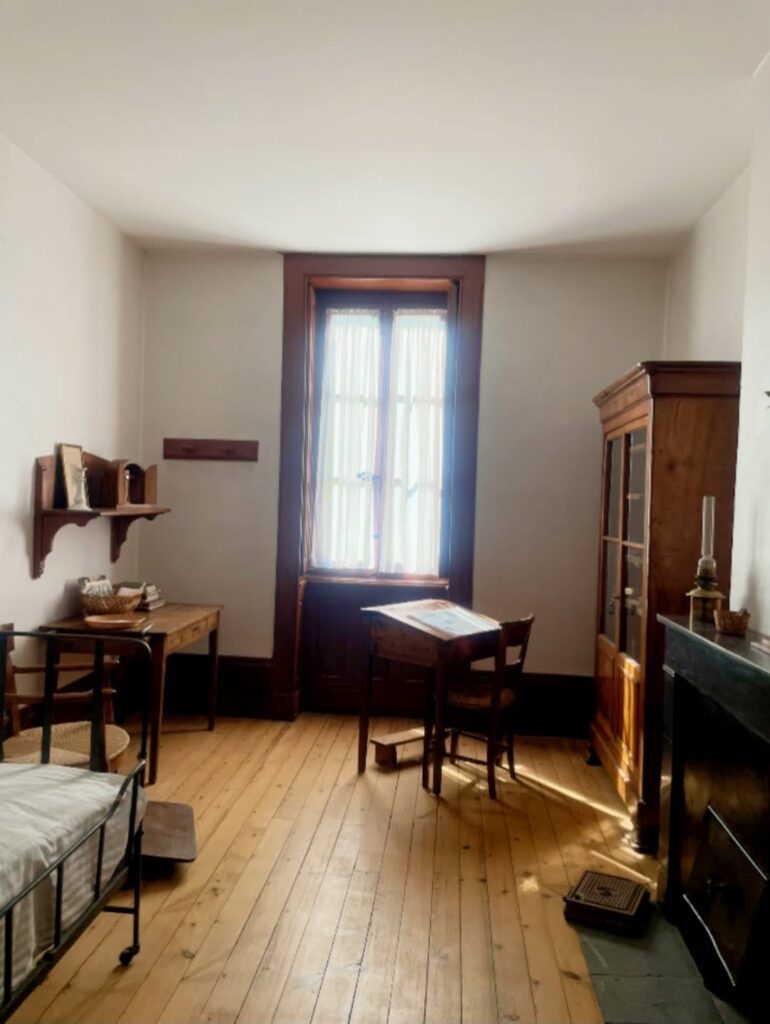
š’ššš¢š§š­ š“š”šžš«šžš¬šž’š¬ š«šØšØš¦ š¢š§ š‹š²šØš§ š°š”šžš«šž š¬š”šž šš¢šžš šØš§ šŸšŸ” š’šžš©š­šžš¦š›šžš« šŸšŸ–šŸ–šŸ“ š–š”ššš­ ššš¦ šˆ š„š¢šÆš¢š§š  šŸšØš«? š–š”ššš­ ššØ šˆ š„šØšÆšž ššžšžš©š„š² šžš§šØš®š š” š­šØ š š¢šÆšž š¦š² š°š”šØš„šž š„š¢šŸšž šŸšØš« šžšÆšžš§ š®š§š­šØ ššžššš­š”? Little by little, infirmities stemming from old age assail her: she becomes deaf, walks with difficulty, and suffers from rheumatism. Nevertheless, one prayer accompanies her always: “May I live for love of you, may I die for love of you, let my last heartbeat be an act of perfect love. “Has Therese Couderc left a message? She makes no claim to have done so. She does not even seek to repeat the great evangelical lessons of the seed which must die to bear fruit, the vine which must allow itself to be pruned in order to yield more. She does not have to repeat them; she has lived them with a rare intensity and a marvelous happiness!” – (Therese Couderc: Woman and Saint by Paule de Lassus, rc)

Features, Soul Food

š’ššš¢š§š­ š“š”šžš«šžš¬šž ššš§š š­š”šž š‹š¢š­š­š„šž š“š«š¢š›š®š§šž: š€ šš„šššœšž šØšŸ šƒšžšžš©šžš« š”š§š¢šØš§ š°š¢š­š” š‚š”š«š¢š¬š­

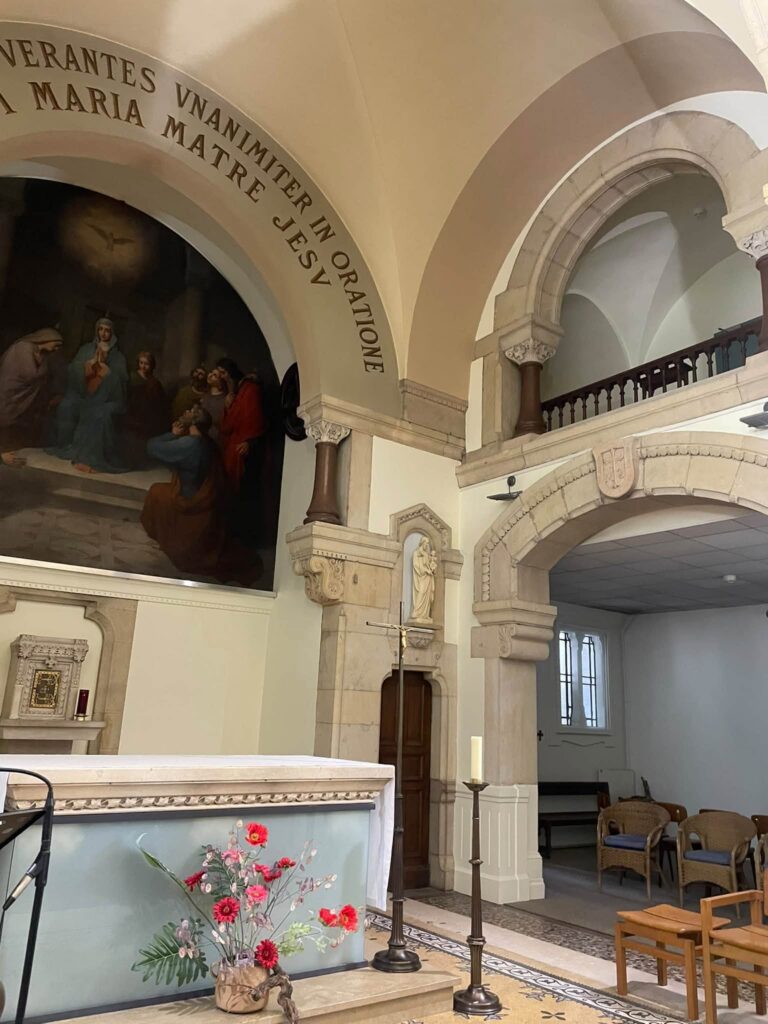
š’ššš¢š§š­ š“š”šžš«šžš¬šž ššš§š š­š”šž š‹š¢š­š­š„šž š“š«š¢š›š®š§šž: š€ šš„šššœšž šØšŸ šƒšžšžš©šžš« š”š§š¢šØš§ š°š¢š­š” š‚š”š«š¢š¬š­ š‡šØš° š¦š¢š š”š­ š¦š² šØš°š§ šžš±š©šžš«š¢šžš§šœšžš¬ šØšŸ š¬š®šŸšŸšžš«š¢š§š  š›šžšœšØš¦šž šš š©š„šššœšž šØšŸ ššžšžš©šžš« š®š§š¢šØš§ š°š¢š­š” š‰šžš¬š®š¬? Saint ThĆ©rĆØse freely consented to be associated with Jesus in His agony. This union with Christ in suffering became the highest point to which she had been led in her life, one increasingly ā€œanimated by the Spirit of Jesus Christ.ā€ “Do not be anxious about my health, I lack nothing. As to the pains and discomforts which I carry about with me everywhere and always, we should only thank the Good God for these, since He orders them so well that I am rarely deprived of hearing Holy Mass; when I am not able to go dowstairs, I hear it from the little tribune.” – letter of Mother ThĆ©rĆØse to Mother Marie AimĆ©e Lautier, Lyon, 15 November 1884 (a year before her death)

Features, Soul Food

š’ššš¢š§š­ š“š”šžš«šžš¬šž’š¬ š‹ššš¬š­ š˜šžššš«š¬ š¢š§ š‚šžš§šššœš„šž š‡šØš®š¬šž š¢š§ š‹š²šØš§

š’ššš¢š§š­ š“š”šžš«šžš¬šž’š¬ š‹ššš¬š­ š˜šžššš«š¬ š¢š§ š‚šžš§šššœš„šž š‡šØš®š¬šž š¢š§ š‹š²šØš§ š‡šØš° š¦š¢š š”š­ š«šžšœšØš š§š¢š³š¢š§š  š†šØšā€™š¬ š©š«šžš¬šžš§šœšž š­š«ššš§š¬šŸšØš«š¦ š­š”šž š°ššš² šˆ š¬šžšž ššš§š šžš±š©šžš«š¢šžš§šœšž šžšÆšžš«š²šššš² š„š¢šŸšž? In 1867, when the Montpellier house was closed, Saint ThĆ©rĆØse returned to Lyon, where she spent the last 18 years of her life. As her health declined, she suffered greatly and experienced less of God’s presence. Yet, even when ā€œconsolations vanished,ā€ she never ceased to pray and seek God in everything.

Features, Soul Food

š‚šžš§šššœš„šž š‡šØš®š¬šž š¢š§ š‹š²šØš§ š…šØš®š«šÆš¢šžš«šž

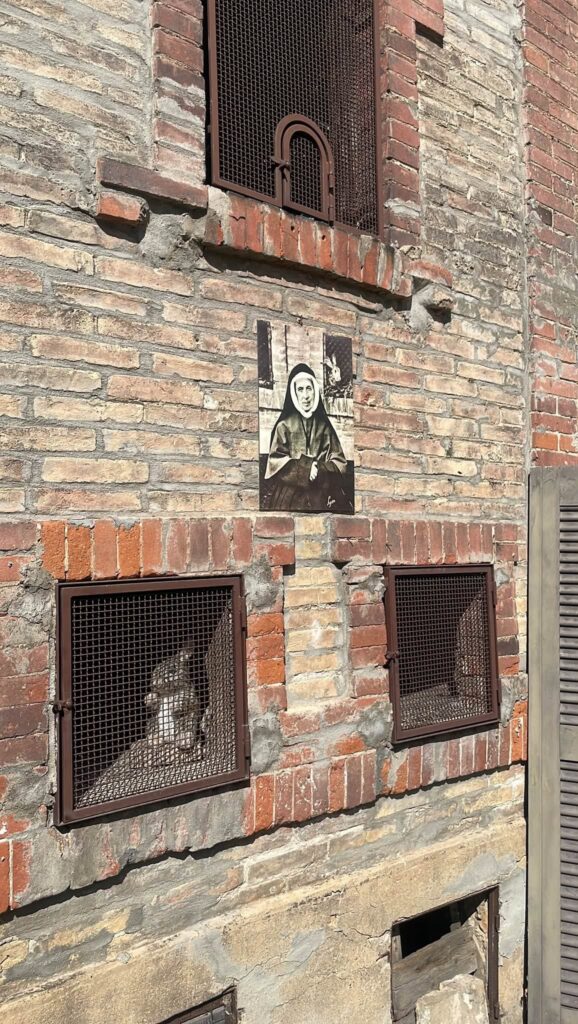
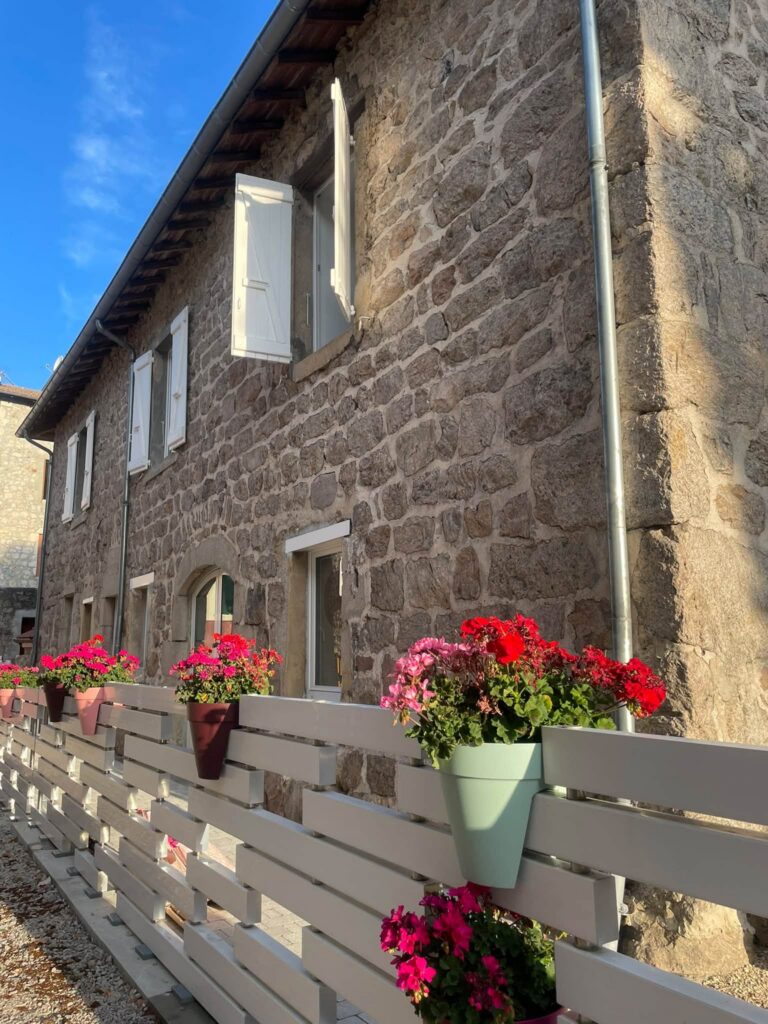
š‚šžš§šššœš„šž š‡šØš®š¬šž š¢š§ š‹š²šØš§ š…šØš®š«šÆš¢šžš«šž š‡šššÆšž š­š”šžš«šž š›šžšžš§ š¦šØš¦šžš§š­š¬ š¢š§ š²šØš®š« š„š¢šŸšž š°š”šžš§ š²šØš® š”ššš š­šØ š¬š­šžš© šŸšØš«š°ššš«š ššš§š š¦ššš¤šž šš šš¢šŸšŸš¢šœš®š„š­ ššžšœš¢š¬š¢šØš§ šŸšØš« š­š”šž š š«šžššš­šžš« š šØšØš? š–š”ššš­ š”šžš„š©šžš š²šØš® šŸš¢š§š š­š”šž šœšØš®š«ššš šž š­šØ š­š«š®š¬š­ ššš§š šššœš­? In February 1842, the Congregation decided to establish a community in Lyon. The house was poorly situated, barely livable, and not at all suited for retreats. Yet Saint ThĆ©rĆØse took charge, remaining there with one other sister and trusting that, in God’s time, something better would come. A year later, providence opened a new door: land near the Church of FourviĆØre, an important pilgrimage site, became available for purchase. With little time to wait, Saint ThĆ©rĆØse prayerfully took the step of moving forward in acquiring the land. By 1844, the new house was completed: a fruit of trust, courage, and surrender to God’s providence.

Features, Soul Food

š„š±š©šžš«š¢šžš§šœšž šØšŸ š’š©š¢š«š¢š­š®ššš„ š‚šØš§š¬šØš„ššš­š¢šØš§š¬ ššš­ šŒšØš§š­š©šžš„š„š¢šžš«

š„š±š©šžš«š¢šžš§šœšž šØšŸ š’š©š¢š«š¢š­š®ššš„ š‚šØš§š¬šØš„ššš­š¢šØš§š¬ ššš­ šŒšØš§š­š©šžš„š„š¢šžš« š–š”šžš«šž ššØ š²šØš® š¬šžšž š šØšØšš§šžš¬š¬ š¢š§ š²šØš®š« š„š¢šŸšž š«š¢š š”š­ š§šØš°? š‡šØš° ššš«šž š²šØš® š¢š§šÆš¢š­šžš š­šØ š¬š®š«š«šžš§ššžš« š­šØ š†šØš’š¬ š šØšØšš§šžš¬š¬? Saint ThĆ©rĆØse experienced two spiritual consolations during her stay in Montpellier. One in 1864, during her morning prayer at the end of her retreat, she received the inspiration for her “Self-Surrender” (š™Žš™š š™‡š™žš™«š™§š™šš™§). Two years later, in the midst of a challenging period, she experienced the ā€œVision of Goodnessā€ (š™‡š™– š˜½š™¤š™£š™©Ć© š™™š™š š˜æš™žš™šš™Ŗ) where she saw the word “Goodness” written on all creatures – animate and inanimate, in ā€œletters of gold.” These two experiences were later recognized as important sources of Cenacle Spirituality (General Chapter, 1998). These experiences did not come during good timed, but amid instability and suffering. To know more about the Spirituality of the Cenacle, click here: https://cenacle-gen.org/en/spirituality/#

Features, Soul Food

š’ššš¢š§š­ š“š”šžš«šžš¬šžā€™š¬ š‚šØš§š¬šžšœš«ššš­š¢šØš§ ššš­ š­š”šž š¬š”š«š¢š§šž šØšŸ ššØš­š«šž-šƒššš¦šž šā€™š€š²

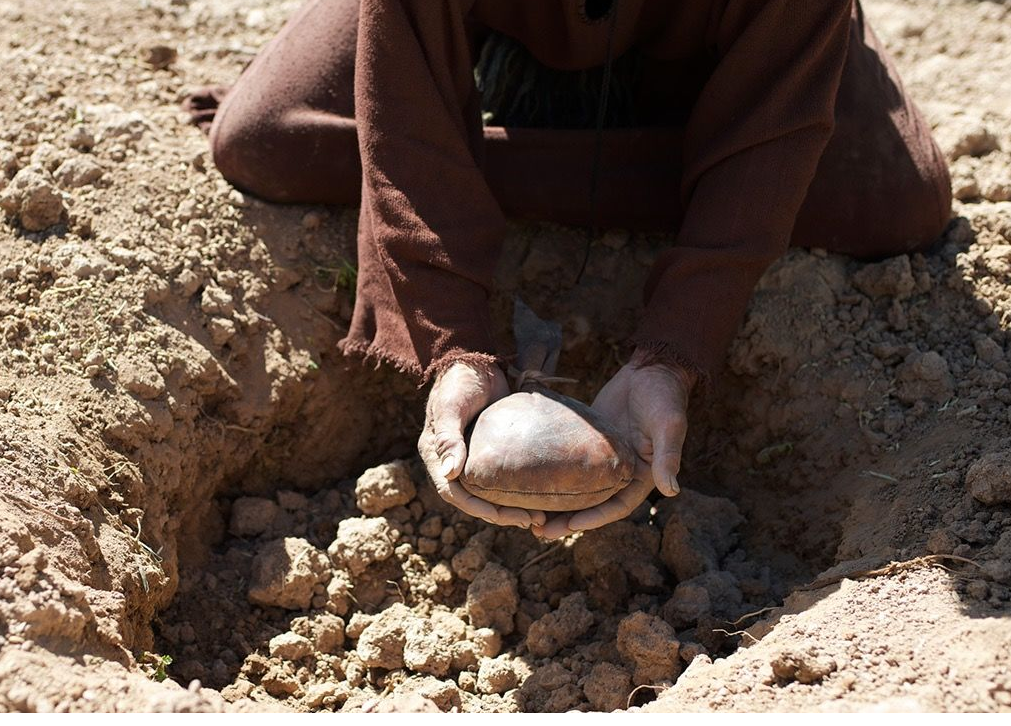
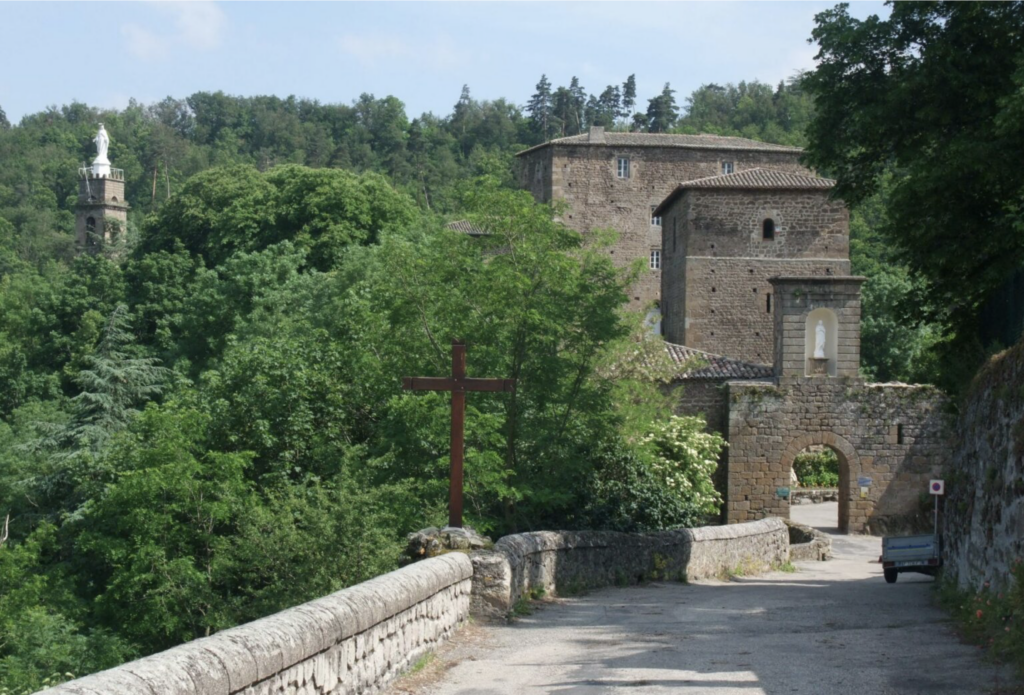
š’ššš¢š§š­ š“š”šžš«šžš¬šžā€™š¬ š‚šØš§š¬šžšœš«ššš­š¢šØš§ ššš­ š­š”šž š¬š”š«š¢š§šž šØšŸ ššØš­š«šž-šƒššš¦šž šā€™š€š² š–š”šžš§ š°šž ššš«šž š¦š¢š¬š®š§ššžš«š¬š­šØšØš, šŸššš„š¬šžš„š² šššœšœš®š¬šžš, šØš« š¬šžš­ ššš¬š¢ššž, šœššš§ š°šž š­š«š®š¬š­ š†šØš ššš§š šžš§š­š«š®š¬š­ šžšÆšžš«š²š­š”š¢š§š  š­šØ š†šØš? In 1834, after the sudden death of Fr. Terme, Saint ThĆ©rĆØse took on the responsibility of leading the Sisters, with the guidance of the Jesuits and the Bishop of Viviers. Around 1837 due to poor health, she went to the shrine dedicated to Our Lady of Ay (Notre Dame d’Ay) to recuperate. In 15 August 1837, ThĆ©rĆØse consecrated herself and the Congregation to Our Lady. At that time, doubts regarding her leadership grew. She faced false accusations & was humiliated in the community and asked to resign as Superior by Fr. Renault, the Jesuit provincial. In the midst of being misunderstood and set aside, she chose to entrust everything to her good God. Photos from Cenacle Europe-Togo Archives

Features, Soul Food

š“š”šž š‚šžš§šššœš„šž: š…šØš®š§ššžš šØš§ š­š”šž š«šØššš šØšŸ š©š¢š„š š«š¢š¦š¬

š“š”šž š‚šžš§šššœš„šž: š…šØš®š§ššžš šØš§ š­š”šž š«šØššš šØšŸ š©š¢š„š š«š¢š¦š¬ š–š”ššš­ š§šžšžšš¬ ššØ š²šØš® š§šØš­š¢šœšž ššš«šØš®š§š š²šØš®, ššš§š š”šØš° š¦š¢š š”š­ š†šØš š›šž šœššš„š„š¢š§š  š²šØš® š­šØ š«šžš¬š©šØš§š š°š¢š­š” š©š«šššœš­š¢šœššš„š¢š­š², šœšØš¦š©ššš¬š¬š¢šØš§ ššš§š š šžš§šžš«šØš¬š¢š­š²? The Cenacle was born from a response to a need of pilgrims. In 1825, nearly three decades after the French Revolution, the mission reached Sablieres. Fr. Stephen Terme was entrusted by the bishop with caring for the tomb of St. John Francis Regis in Lalouvesc, supporting the pilgrimage, and evangelizing the surrounding area. ThĆ©rĆØse, only 20 years old had just returned from her studies, met Fr Terme and felt called to join the mission, a major shift in her young life. Seeing the need for a safe place for women pilgrims to stay, Fr. Terme and ThĆ©rĆØse opened a house near the tomb of Saint Regis on June 16, 1826, the feast of the Jesuit saint, to welcome and shelter them. Fr. Terme cared for their practical needs, while ThĆ©rĆØse accompanied them spiritually. From this simple act of welcoming and noticing, the Cenacle was born: a place where people could find shelter, companionship, and spiritual accompaniment.

Scroll to Top